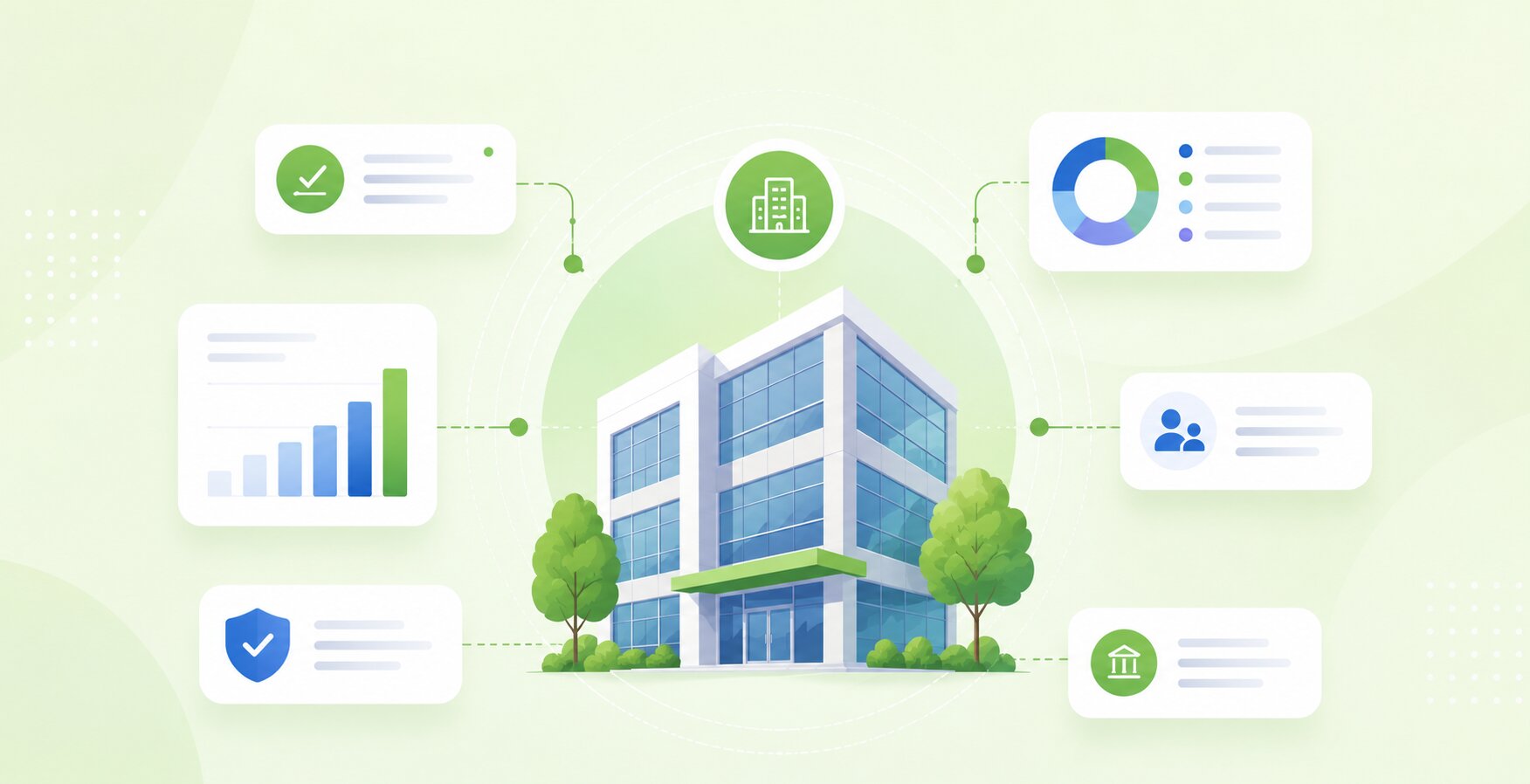
Compliance with building regulations is the cornerstone for ensuring the safety and well-being of residents. With an array of regulatory requirements and the need for efficient management practices, housing providers face significant challenges in navigating compliance processes.
In the recent Housing Ombudsman’s Spotlight Report on Knowledge & Information Management, it referenced that poor data and record keeping not only has a financial impact for housing providers, but also more importantly has a human impact by exposing residents to unnecessary safety risks. Housing providers therefore need a solution which will help to improve compliance processes. This article will explore the benefits that come from implementing True Compliance, specifically around the benefit of centralised building compliance management.
The Challenge:
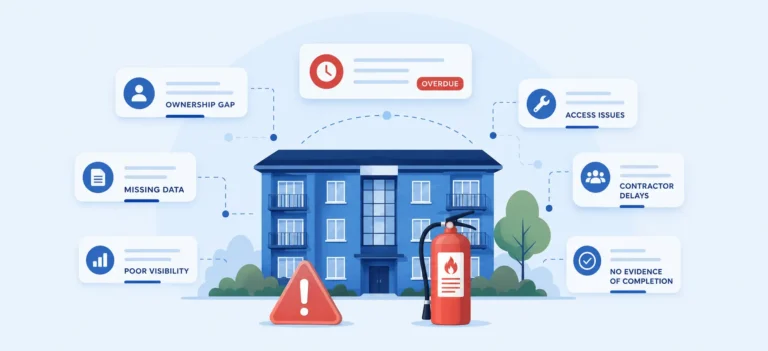
Historically, building compliance management within the social housing sector has been fragmented and labour-intensive. Housing providers have had to grapple with managing disparate requirements across multiple systems and spreadsheets, which often lead to inefficiencies, oversight, and increased risk. This could also have disastrous consequences.
The Solution:
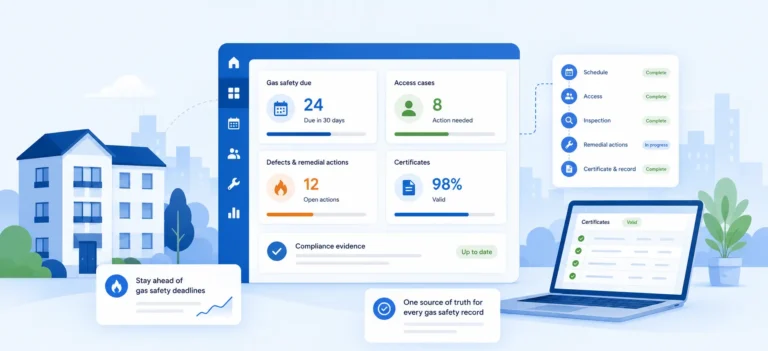
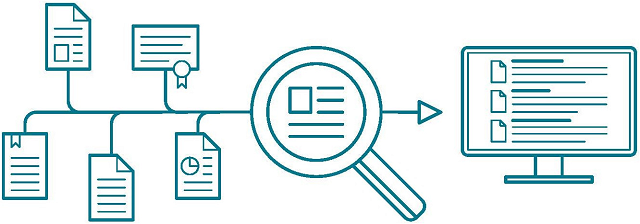
True Compliance offers a unified compliance dashboard that serves as a centralised repository for all compliance-related data, documentation, and tasks. By consolidating information into a single accessible platform, True Compliance enables housing providers to efficiently manage and monitor compliance statuses across their property portfolios. This streamlined approach eliminates manual data entry, reduces errors, and enhances transparency and accountability.
Features & Benefits:
- Streamlined Data Management: True Compliance’s unified dashboard simplifies compliance data management by consolidating information from various sources into a single platform, reducing the risk of errors and oversights.
- Enhanced Transparency and Accountability: Real-time visibility into compliance metrics and automated reminders ensure timely completion of tasks, fostering accountability among staff members.
- Proactive Risk Management: True Compliance facilitates proactive risk assessment and mitigation strategies, helping housing providers identify potential hazards before they escalate into compliance issues.
- Operational Efficiency: By integrating True Compliance into their processes, housing providers improve operational efficiency, allowing staff to focus on strategic initiatives.
- Future-Proofing Compliance Practices: True Compliance offers scalability and adaptability to meet evolving regulatory requirements, ensuring housing providers stay ahead of changes in compliance standards.
Conclusion:
Centralised Building Compliance Management with True Compliance offers a comprehensive solution to the complex challenges faced by social housing providers. From streamlining data management to enhancing transparency and accountability, the benefits of these systems are clear.
By embracing True Compliance, housing providers can ensure regulatory compliance, improve operational efficiency, and provide a safe and secure environment for their residents.