This post is a practical LOLER compliance checklist landlords can use, with the bits that usually get missed: what counts, when LOLER applies, what “thorough examination” actually means, and how to keep your evidence clean.
Key takeaways
- LOLER duties sit with the people who own, operate or control lifting equipment, even where employees or contractors use it.
- “Thorough examination” is a formal, written check by a competent person, with set reporting requirements.
- Default thorough examination intervals are 6 months (lifting people and lifting accessories) and 12 months (other lifting equipment), unless a competent person sets an examination scheme.
- Passenger lifts used by people at work also fall under LOLER. Where lifts aren’t used by people at work, LOLER and PUWER may not apply, but equivalent maintenance and inspection can still be “reasonably practicable”, and insurers often expect it.
- If you’re managing insurance-driven inspections across assets, treat LOLER like any other compliance stream: one schedule, one audit trail, actions tracked to closure.
What LOLER covers (and why housing teams get pulled into it)
The Lifting Operations and Lifting Equipment Regulations 1998 (LOLER) place duties on those who own, operate, or control lifting equipment, including organisations whose employees use lifting equipment, whether they own it or not. In most cases, PUWER duties around inspection and maintenance also sit alongside it.
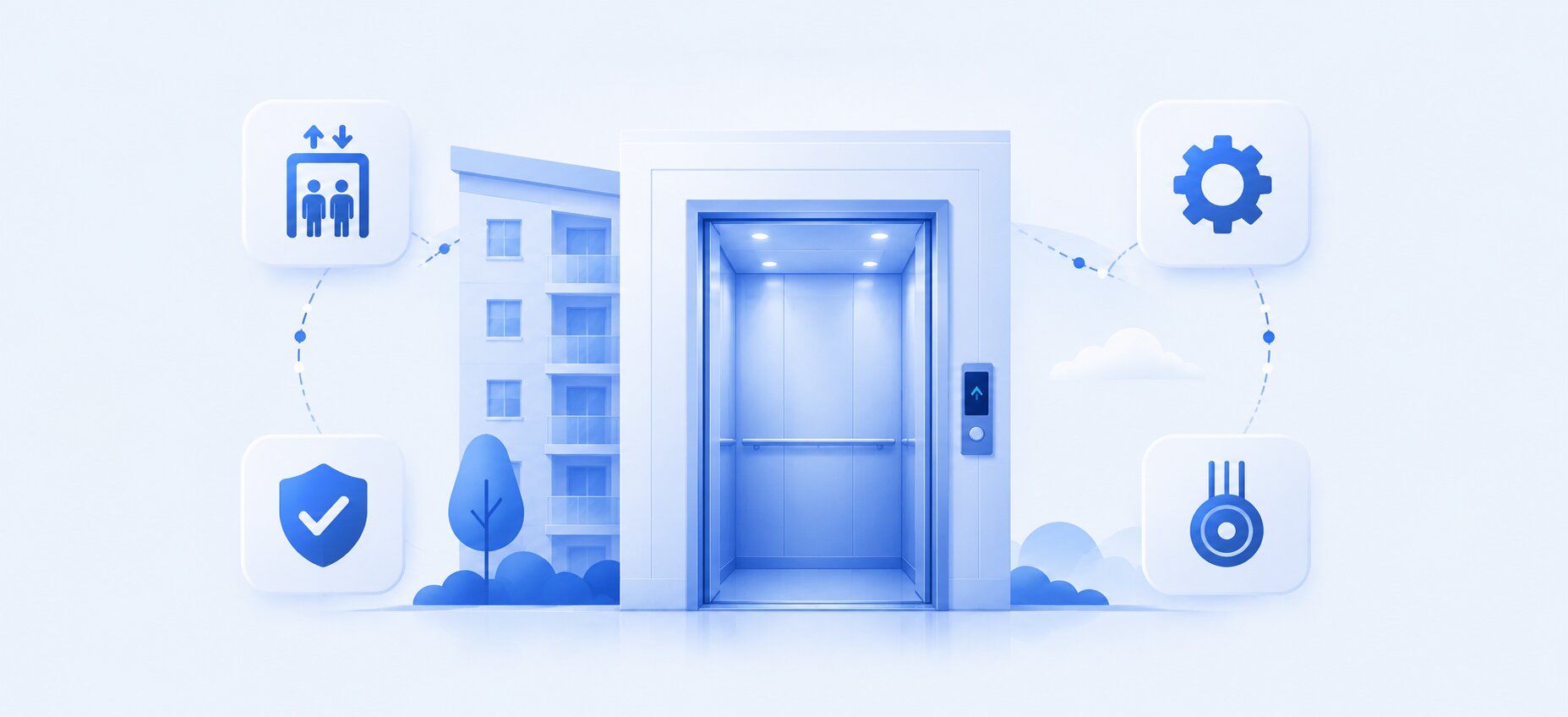
For housing providers and landlords with communal assets, the trigger is often simple: if you have a building with a lift that residents or equipment ride in, you’re in LOLER territory.
Common “LOLER-relevant” assets in housing
In a social housing context, the usual suspects are:
- Passenger lifts and combined goods/passenger lifts in high-rise buildings.
- Platform lifts and stairlifts provided as work equipment for employees.
- Hoists and other equipment used to lift people at work (and any kit used to lift people, even if it wasn’t designed for that purpose).
- Lifting accessories (slings, chains, shackles, etc.) used with lifting equipment.
One useful boundary: escalators and moving walkways are not covered by LOLER, even though they move people between levels. They’re covered under workplace welfare regulations, and there is separate guidance for their operation and examination.
LOLER compliance checklist for landlords and housing providers
Use this as a working checklist for each building, scheme, or contract area.
Build (and maintain) a lifting equipment register
For every asset, record:
- Asset type (passenger lift, platform lift, stairlift, hoist, lifting accessory set, etc.)
- Make/model, serial number, location (block, core, landing)
- Whether it is used to lift people (this affects exam intervals)
- Dutyholder: who “controls” it day to day (managing agent, in-house team, contractor)
- Current certificate/report dates and next due date
If you don’t start with a clean register, everything else becomes guesswork.
Confirm whether the asset is used by people
This is where housing portfolios can get messy. Passenger lifts are subject to LOLER. Even when a lift isn’t used by people, the duty to keep it safe doesn’t disappear, and similar maintenance, inspection and examination may still be “reasonably practicable”, including to satisfy insurer expectations.
A practical approach is to document your reasoning per asset category (for example, “communal lift routinely used by residents”), then apply a consistent inspection and examination regime.
Appoint competent people and set the regime
LOLER depends on competent input, particularly around planning and examination.
- Ensure lifting operations are planned, supervised and carried out safely.
- For thorough examinations, use a competent person with the knowledge and independence to assess defects properly. HSE’s thorough examination guidance sets expectations around competence and impartiality.
- Where your asset base is complex (mixed lift types, heavy usage, environmental exposure), consider an examination scheme written by a competent person instead of relying only on default intervals.
Schedule thorough examinations at the right frequency
A thorough examination is a systematic, detailed examination of safety-critical parts, carried out at specified intervals by a competent person, followed by a written report.
Minimum expectations include:
- Before first use, unless you have a Declaration of Conformity less than one year old and the equipment was not assembled on site. If it was assembled on site (for example, a lift installed in a building), it must be examined to confirm safe installation.
- Regular in-service thorough examinations at the specified intervals, unless an examination scheme sets different ones.
- After exceptional circumstances that could jeopardise safety (damage, failure, long periods out of use).
Below are the default intervals (unless an examination scheme says otherwise):
- 6 months: lifting equipment (and associated accessories) used to lift people
- 6 months: all lifting accessories
- 12 months: all other lifting equipment
Don’t confuse thorough examination with maintenance
Maintenance keeps equipment running. A thorough examination is a statutory check aimed at identifying defects that could become dangerous.
There are deliberately separate maintenance and inspection duties covered by different legislation (typically PUWER rather than LOLER), and some equipment may also need inspection between thorough examinations, based on risk.
Checklist item: Make sure you can point to both streams without mixing the paperwork.
Capture reports properly and act on defects fast
From an assurance point of view, this is the part that gets audited.
It’s expected that the competent person will produce a written report that includes key information such as the examination date, next due date, and any defects that are (or could become) a danger. Serious defects should be reported immediately to the dutyholder, followed by a written report, and the enforcing authority may also need a copy.
Minimum process controls:
- Reports are stored against the correct asset (not “Lift report June.pdf” in someone’s inbox)
- Defects create actions with owners and deadlines
- Assets aren’t returned to use where a defect presents danger until it’s remedied
Keep records in a way you can defend
You need to keep records of thorough examinations and inspections, keep Declarations of Conformity, and protect records from unauthorised alteration. They don’t need to be paper, but you should be able to provide a written copy when needed.
That last point is the “Friday afternoon” test: if an insurer, auditor, or investigator asks for evidence, can you produce it quickly, with dates and traceability?
Where LOLER meets insurance compliance
Even where LOLER doesn’t neatly apply (for example, a lift not used by people), HSE notes that a similar regime of maintenance, inspection and examination can be reasonably practicable, and insurers may demand similarly stringent risk management for liability cover.
If you’re building a broader insurance-driven programme across lifts, pressure systems, playgrounds and other inspection-led risks, keep LOLER in the same operating rhythm. You might want to take a look at how software can help improve your insurance inspections and compliance management.
Final check: what “good” looks like
A strong LOLER position for landlords and housing providers is simple to describe:
- You know what assets you have, and where they are.
- You can explain why LOLER does or doesn’t apply to each class of asset.
- Thorough examinations are booked on time, at the right interval, with competent reporting.
- Actions from reports are owned, chased, and evidenced.
- Records are easy to produce and hard to tamper with.